
Identifriday star plant 24th January – Phragmites australis
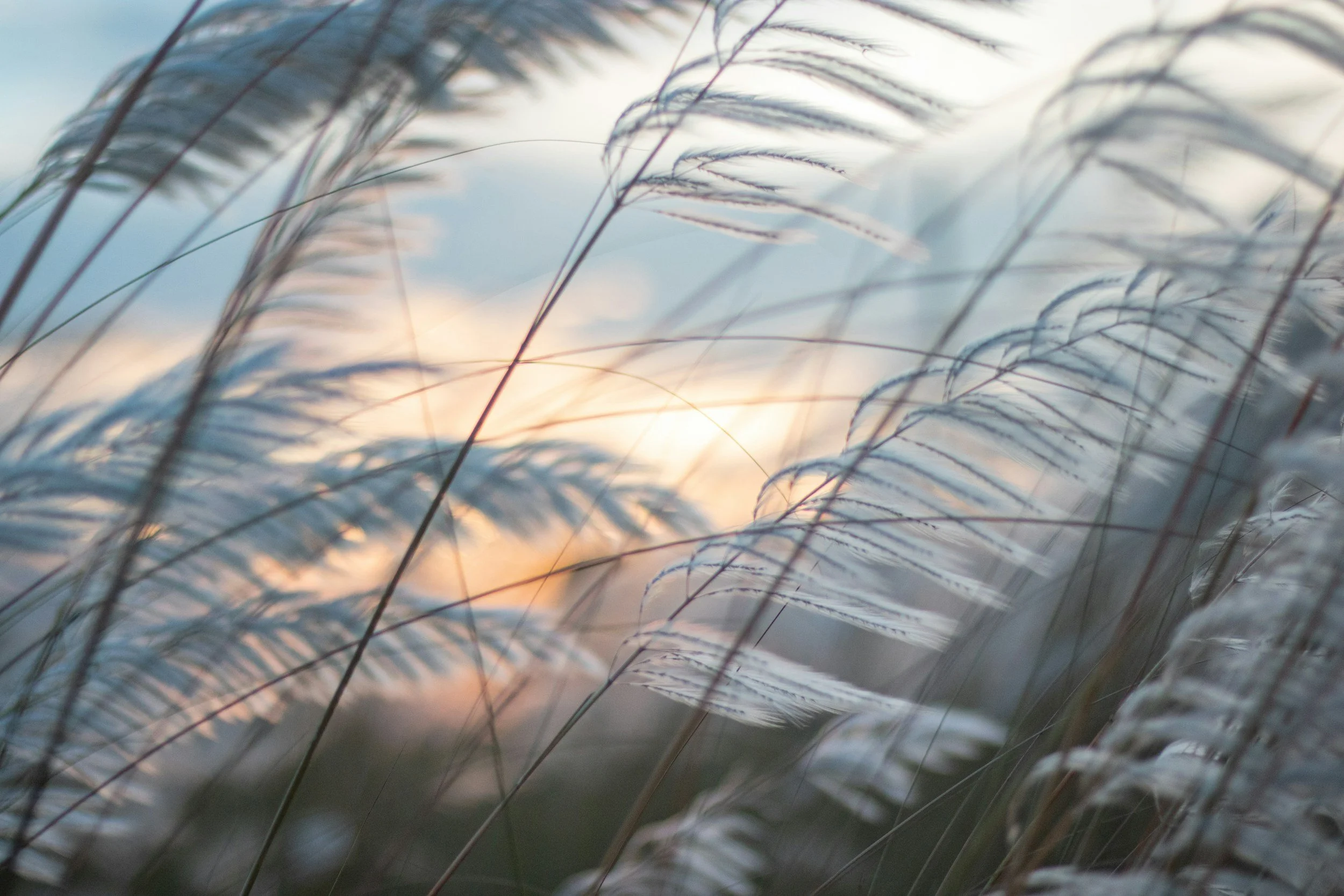
Identifriday is a weekly plant identifying quiz run on Instagram (@alexpettitt.la) for all to take part in. Each week, one plant is selected for a turn under the spotlight; a write up profile of the plant takes in any cultural impact, traditional or modern uses, ecological value, or simply their use in gardens from a design point of view. It’s a little bit of fun, come and give it a go! Originally posted on Alexs Substack.
Phragmites australis, of the Common Reed, is a native of UK and European waterway – as well as pretty much everywhere else in the world – despite what the specific epithet may suggest, it does not solely hail from Australia. Australis, for those of you without a handy copy of Plant Names Simplified, a knowledge of latin cardinal points, nor having seen the Aurora australis, is the latin for ‘southern’. To some landowners, P.australis may be considered somewhat of a pest, owing to it’s aggressive growth which may bog up a pond with staggering speed. However, this species is one that may provide some green engineering solutions to human-induced problems.
Phragmites spread and sprawls along the margins of nearly any waterway, even including brackish waters, growing through deep rhizomes which enables the plant to encroach into the waterbody on which it has made it’s abode. This habit of getting it’s feet wet allow the formation of a natural filter – akin to the baleen plates in filter feeding whales. As Gropius, et al. at the Bauhaus would nod in approval to, form and function are perfectly aligned; this plant can absorb heavy polluting compounds from the water. Hydrocarbons such as rubber and oil from road runoff, heavy metals, and organic pollution is ensnared in the reed filter where it is absorbed by P.australis. These compounds which can cause ecological devastation and sickness in humans is sequestered and locked into the tissue of the reeds.
As mentioned previously, Phragmites is adventurous and aggressive in it’s growth. It is a common sight in unmanaged waterways for the river or pond to be completed strangled and smothered by the reed. Reed beds can effectively catalyse the succession of the land into woodland; scrub plants move into reed beds quickly. Wild Orchids and other delicate species can be completely outcompeted by the 4m tall reeds. There are a number of methods of control, however, from burning every 2-3 years through to allowing herds of goats to graze among reed beds, perhaps the greener option would be to invoke the landscape memories of large grazing animals acting as moderators in the cacophonous floral battle.
It is reductive to the majesty of P.australis to talk solely in ecosystem service terms, to only focus on modernist function and form, to plot to kill it before it grows outside it’s desired bounds. It’s very height and habit provides incredibly valuable habitat for rare Bitterns and Marsh Harriers; Kingfishers can use the stems as fishing pegs while young fish have a crèche to grow strong safe from harm. And who wouldn’t have their heart captured, their soul stirred, while gracing the banks occupied by these reeds? Their stems and feathery flower heads transformed from ochre to gold by the aching winter sun; swaying en masse, echoing and tracing the invisible patterns of the wind above them.
Unsurprisingly, P.australis has become something of a muse for a variety of artists. While perhaps not precisely the subject in it’s own right, it is inextricably linked to the landscape so often romanticised and immortalised on canvas, film, and prose. The best supporting actor in an ensemble cast, the whole greater than the sum of its parts. Artists such as Gill Thornton, who captures the natural world around her in evocative line cut designs, has used this milieu in a number of works capturing this golden winter scene. Phragmites and its relatives not only are captured by artists, but they work hand in hand with artists to create sweet melody and good vibrations. P.australis is used to form the vibrating mouthpiece used in traditional woodwind instruments, while the giant relative, Arundo donax, is used for modern western woodwind instruments. There are very few plants that can claim a greater impact on human arts, few can imagine music without such a large number of instruments to weave melodies and carry rhythmic basslines once again stirring the soul.
While this week’s star plant wasn’t a design led or even particularly a garden one, it is wonderful to learn more about a plant that can solve problems while causing them, protect fauna while squashing flora, be the subject of art while being the mechanism for creating it too. Of course, if you have a garden that contains the Common Reed, then ignore my wistfulness, and go and get some goats!
Subscribe for all of the latest Identifriday write-ups, posted every weekend.